Most hearing loss begins long before you notice it. Changes inside the inner ear can quietly affect the way sounds are processed, making conversations over a latte at Bouldin Creek Cafe, the distant speech during phone calls and the distracting noise of crowded environments more challenging over time.
What Happens When You Hear a Sound?
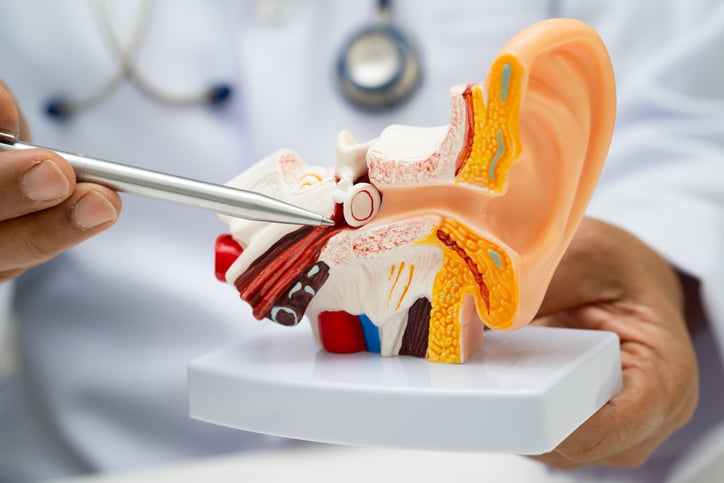
After sound waves enter the outer ear, they travel through the ear canal to the eardrum. The eardrum vibrates in response. The vibrations get amplified by the ossicles—three small bones in the middle ear. The amplified vibrations move into the cochlea in the inner ear, where they cause the fluid inside to ripple. The rippling fluid then stimulates thousands of tiny hair cells, which translate the movement into sound signals that travel to the brain via the auditory nerve. The brain understands these signals as sound.
When something damages those inner ear hair cells, hearing loss arises.
Damage may result from:
- Aging
- Years of noise exposure
- Certain medical conditions
- Medication side effects
- Hereditary factors
The hair cells do not regenerate after they die, so all damage to them is permanent.
Recognizing the Early Signs
Hearing loss rarely announces itself with a dramatic moment. You may notice that conversations are harder to hear, or that they have small gaps you need to fill through context. Your television volume may also creep up higher than is comfortable for others, and group settings may be more exhausting than enjoyable.
When Should I Schedule a Hearing Test?
You should consider a hearing test whenever hearing changes begin affecting communication, even if the changes seem minor. Early testing provides valuable information and helps establish a baseline for future comparisons.
Call Austin Auditory Specialists to schedule your hearing test and treatment consultation with one of our specialists.
Sources
National Institute on Deafness and Other Communication Disorders. “How Do We Hear?” https://www.nidcd.nih.gov/health/how-do-we-hear